Research
Building machines that people touch, and measuring what makes the touch feel human
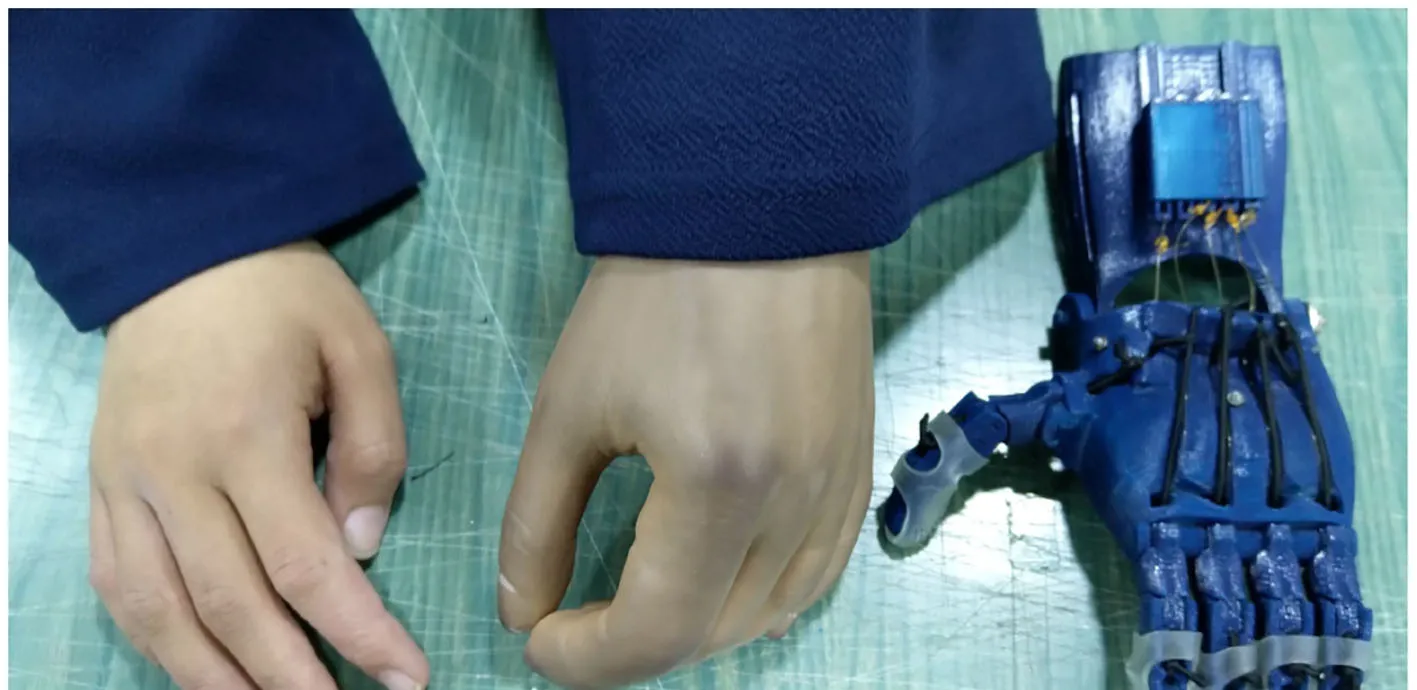
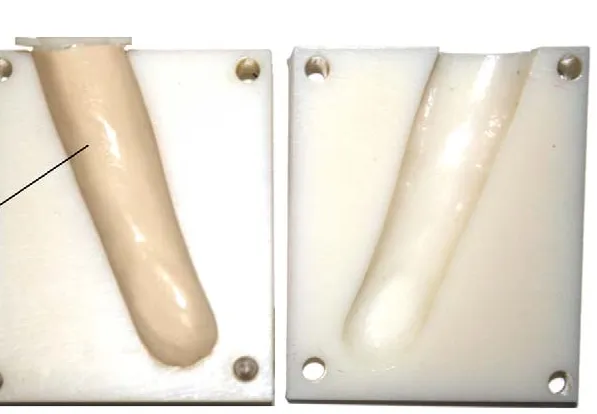
The first paper came out of Pisa in 2006, at the IEEE-RAS conference on humanoid robots. It asked about the uncanny valley and the search for skin-like materials for a prosthetic fingertip: a silicone finger can look right and still feel wrong when someone shakes the hand.
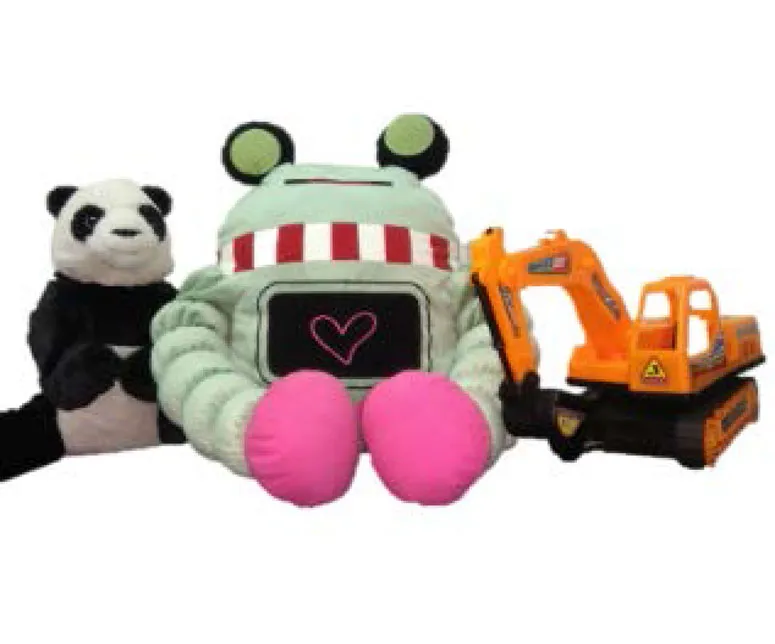
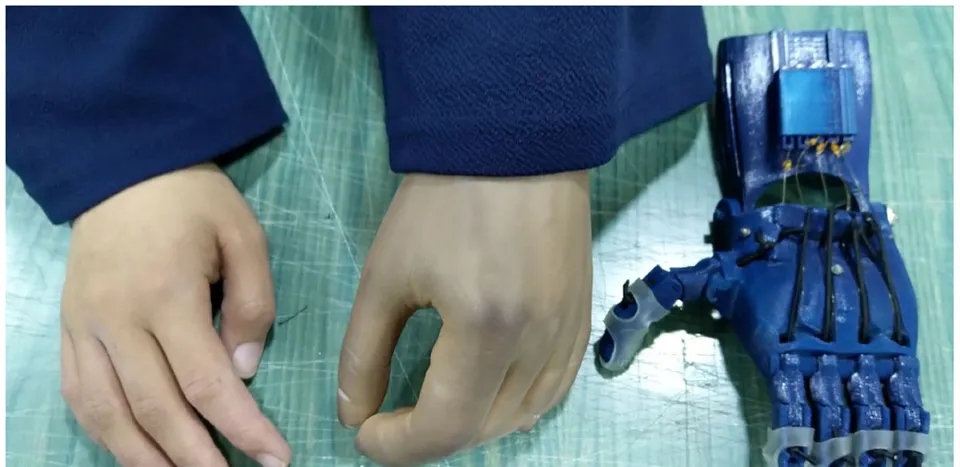
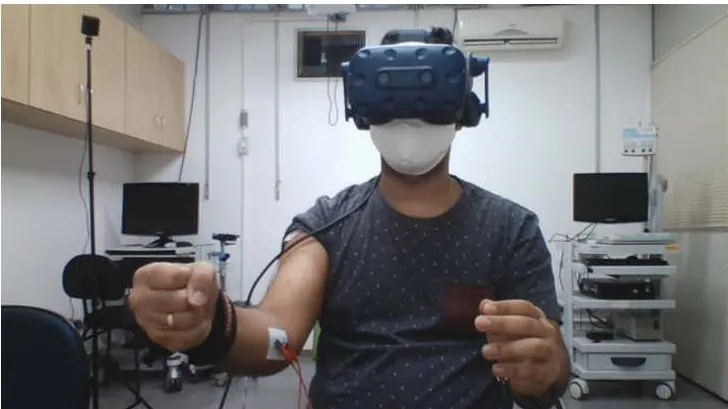
That question has grown into nine lines of research. How warm and soft an artificial skin must be before a forearm reads it as a person. How to size a 3D-printed hand from a scan of the other hand, so it fits a child who lost one. How a robot should time a handshake, and how wearable sensors can flag a challenging behavior during therapy for a child with autism spectrum disorder (ASD).
The work moved from Scuola Superiore Sant'Anna in Pisa to the National University of Singapore in 2008, and to Qatar University in Doha in 2013.